



Direct answer: define the advertising task before choosing an API
Do not begin by asking which model is best. First define the advertising task: what inputs are available, what the output must contain, who will approve it, and how the asset enters the campaign workflow. The right API must fit the source assets, video specifications, engineering requirements, and operating constraints.
For product advertising, document the product facts, audience, channel, aspect ratio, duration, brand restrictions, and acceptance criteria. Then test each candidate with the same brief. A single test cannot support a permanent model ranking.
Use five criteria to build a selection framework
First, evaluate input fit: can the API accept the brief, product images, and reference assets you use? Second, evaluate output fit: confirm the required aspect ratio, duration, resolution, audio, and file format. Third, evaluate engineering fit: review authentication, asynchronous jobs, status checks, quotas, timeouts, retries, and result downloads.
Fourth, evaluate economics by recording generations, retries, human selection, and post-production, then calculating the actual cost of each usable output. Fifth, evaluate governance boundaries, including asset rights, data handling, usage policies, commercial-use terms, and regional availability.
Once a still image is approved, the image-to-video guide explains the next stage and its dated worked example.
Compare candidate models with a controlled test
Model capabilities change over time, so use the same product brief, reference assets, aspect ratio, duration, and acceptance criteria for every candidate. Generate enough samples for human review, and record the date, model or channel, key parameters, failed attempts, retries, and manual edits.
Review each sample for prompt adherence, product consistency, motion quality, brand safety, and post-production effort. Write conclusions as scenario-specific findings, not unqualified claims such as best or fastest. Verify features, pricing, quotas, policies, and regional availability in the provider's current official documentation.
Turn one generation into a reusable RelayMe workflow
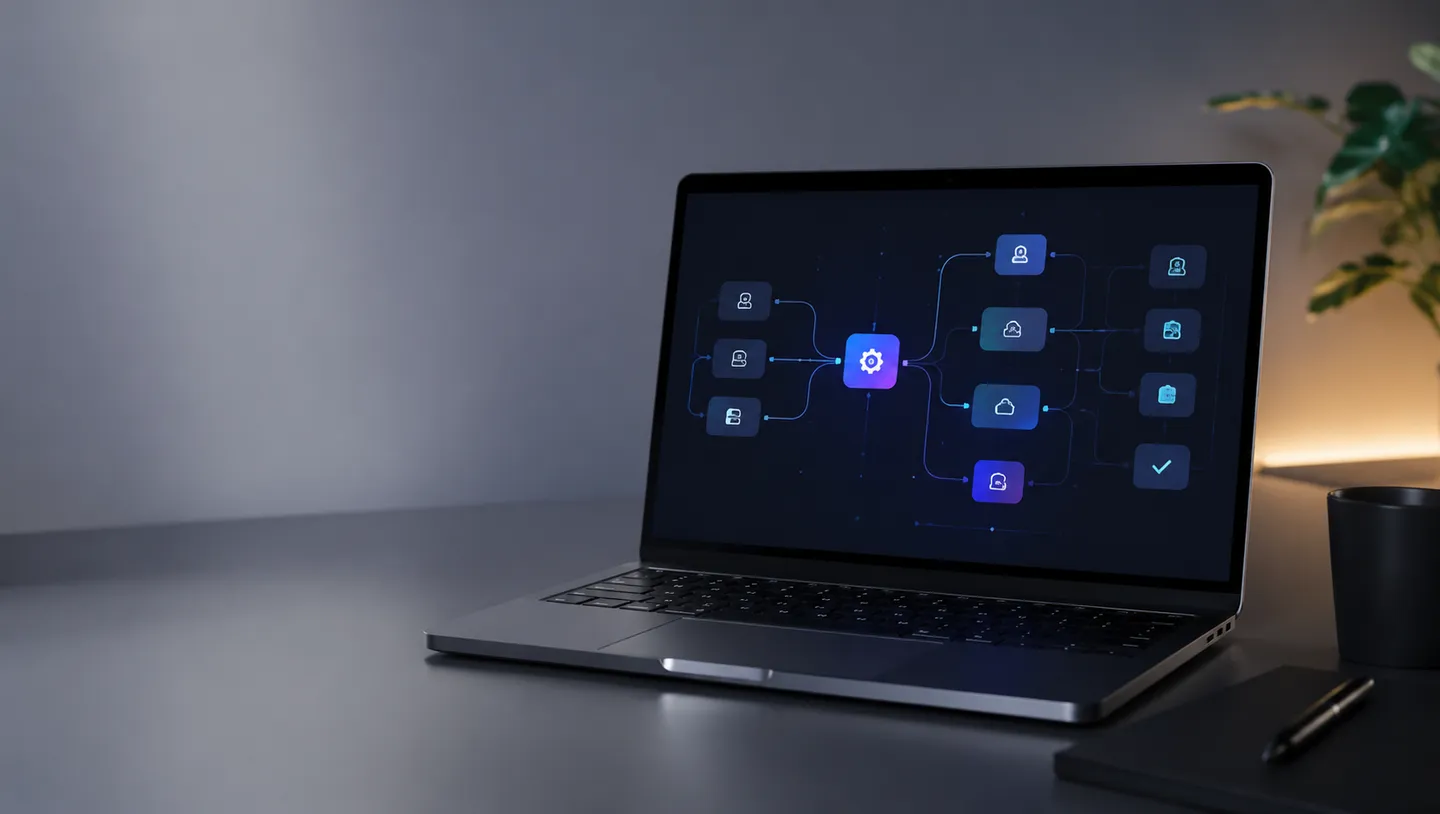
A reusable product-video process can be divided into six steps: read product data, use a text or LLM step to prepare the creative brief, prepare reference images, run a video generation step, complete human review, and export the approved asset.
RelayMe can connect text or LLM, image, and video generation steps in a workflow. It also provides reusable workflow templates and task history. Teams can replace a model or parameter without redesigning the entire process. RelayMe does not replace provider documentation, brand review, legal judgment, or campaign-performance analysis.
Before scaling a run, use the video cost breakdown to separate generation credits from human review and editing time.
Launch checklist and next step
Technical checks include secure credential storage, sufficient quota, timeouts and retries for asynchronous jobs, duplicate-request controls, and traceable generated assets. Content checks include product accuracy, brand rules, incorrect text or logos, asset rights, and final human approval.
Growth checks include the correct CTA destination, complete UTM parameters, GA4 visit and conversion events, and consistent campaign and content identifiers. As a next step, select one real product and build a small RelayMe test workflow: brief → prompt → image or video → human review → export. Use the observed results to decide which production channel to adopt.