


The setup: one reference, one model, three backgrounds
On 1 November 2026, we used RelayMe’s creative studio to put the same tumbler reference into three settings: a warm-gray studio, a naturally lit desk, and an outdoor stone surface. All three tasks selected gemini-3-pro-image-preview, the Nano Banana Pro special-offer channel, with the 1K, 16:9 preset and one output per task. The server marked all three tasks completed. We did not submit any additional retries.
The reference shows a sage-green tapered tumbler with a flat bamboo lid and a leaf mark. It comes from an existing generation dated 30 September 2026. This is a fictional, unbranded sample rather than a photograph of a physical product. We reused that same file each time; we did not feed one new result into the next task.
Only the scene instructions changed. Product-preservation instructions stayed fixed, with no separate LLM, upscaling, or outpainting step. The 1K, 16:9 menu labeled the selection 1344×768; every downloaded output was actually 1376×768. The images below show those downloaded files, scaled for display without retouching their content.
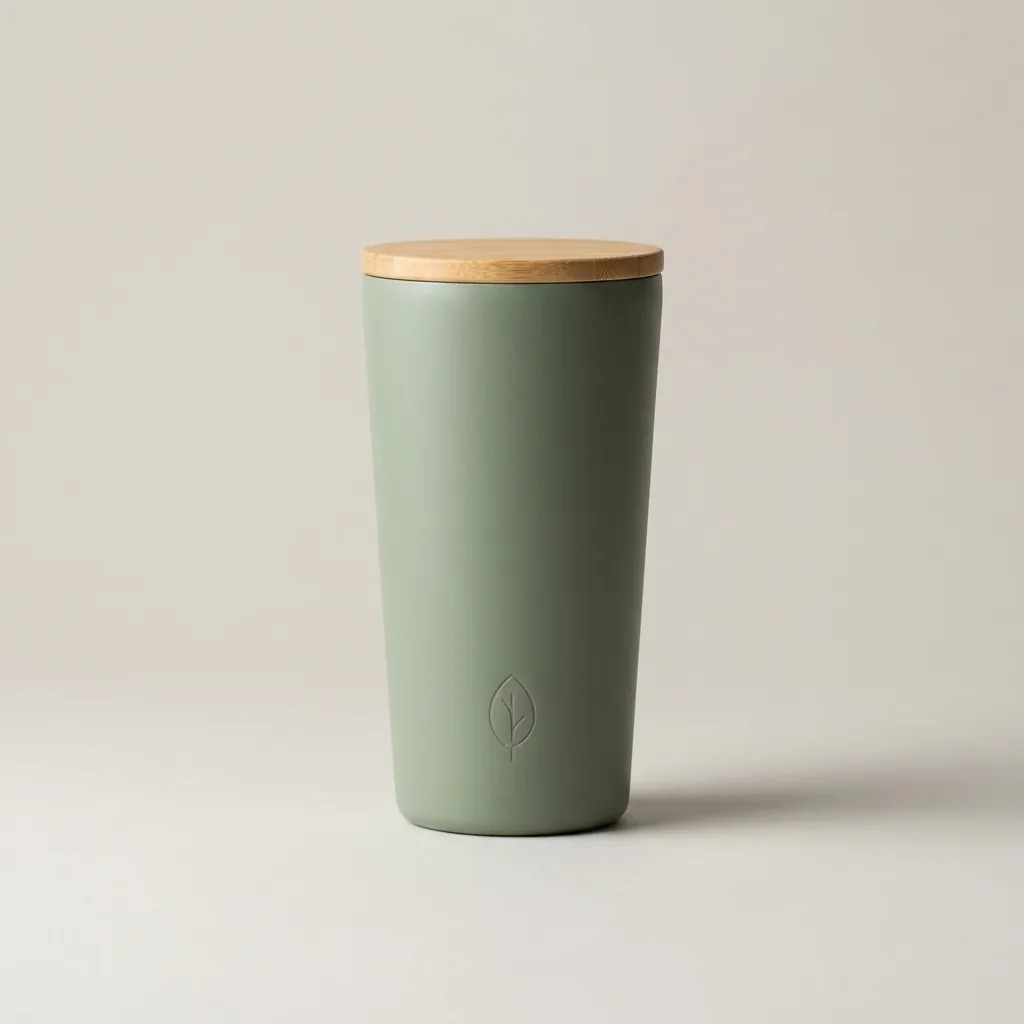
An existing fictional, unbranded AI sample from 30 September 2026, not a photograph of a physical product. The historical task returned two candidates for 200 credits; this reference is candidate 2. That charge was not spent again in this test.
What each background produced
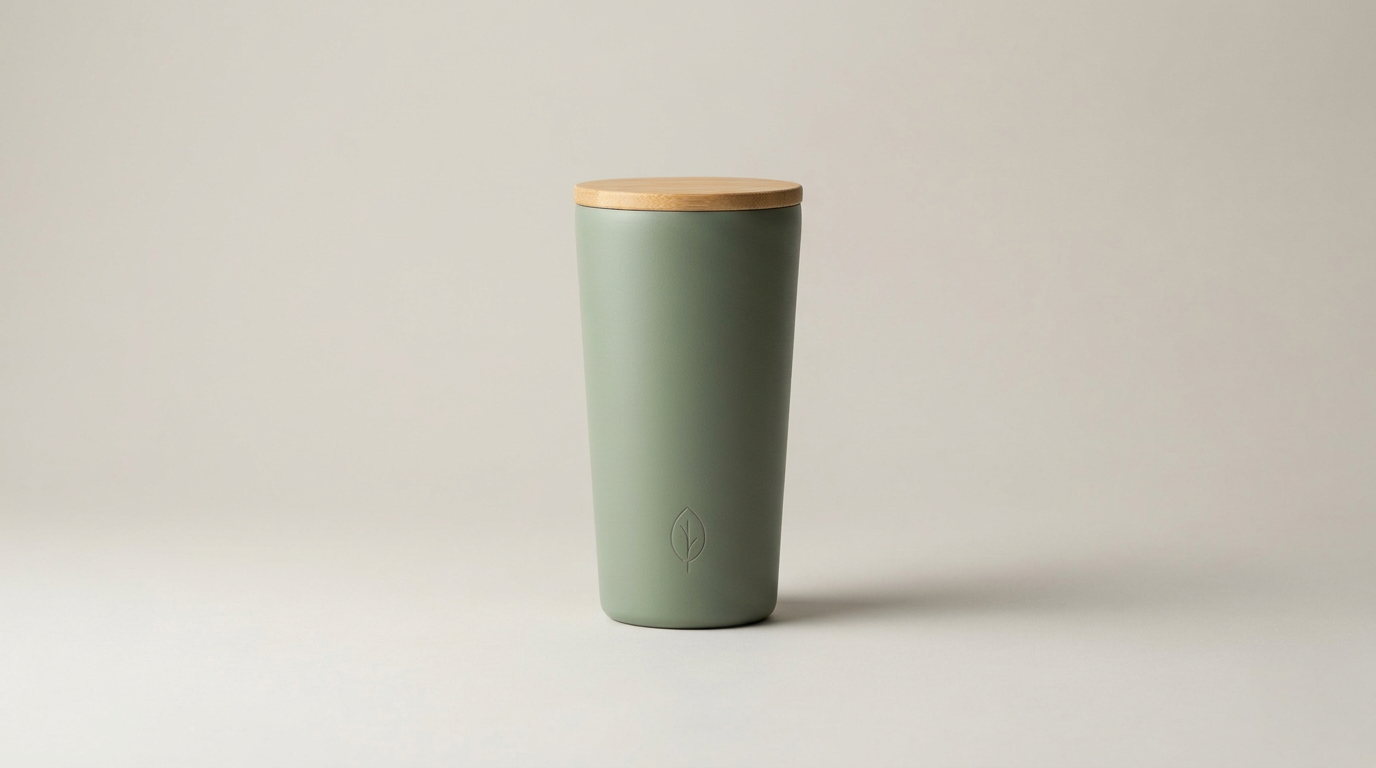
Studio: the backdrop and surface are clean, the tapered silhouette remains recognisable, and the bamboo lid and leaf mark are visible. There is room around the product for a simple composition. However, the lid texture, surface finish and placement were regenerated. This is not evidence of a cutout workflow that changes only the background while preserving every product pixel.
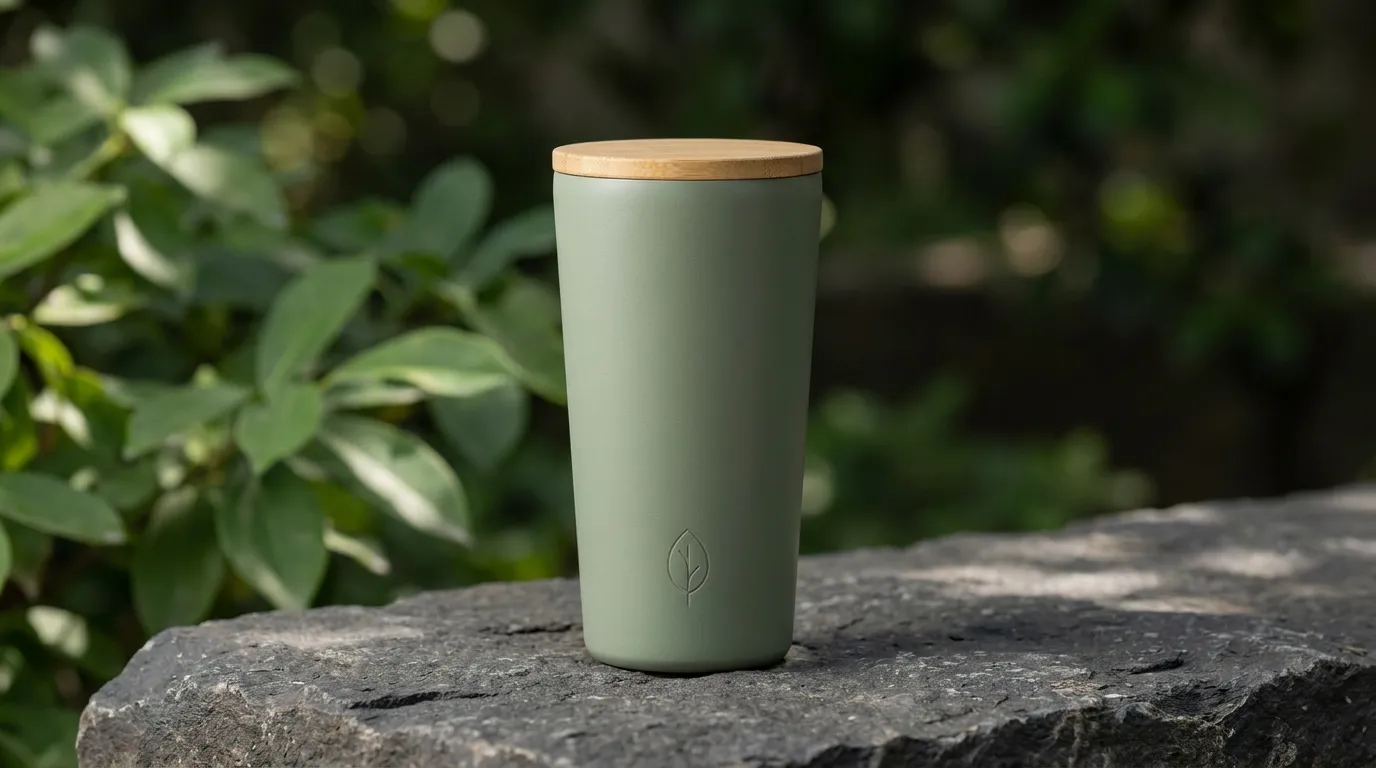
Desk: the result includes a light wood surface, a closed cream notebook, and a blurred bookshelf. It follows the requested setting, but warm light makes the cup look more yellow or olive and reduces contrast around the mark. For an asset that must show an accurate product color, this result needs review against real product information.
Outdoor: the dark stone surface and blurred leaves create a garden setting without leaves obscuring the product. The bamboo lid and mark remain recognisable. The cup also looks more cylindrical than the reference, and the light affects its apparent green. This makes it a scene-direction candidate, not proof that a real product’s geometry and color have been accurately reproduced.
Recorded charge: 100 credits (approximately US$0.10). Server task time: 28 seconds.
1K · 16:9 · one image · special-offer channel. Downloaded output: 1376×768. Select the image to view the untouched original PNG.
Task record
49f6285e-9964-4ddb-9142-0973e8ac8b29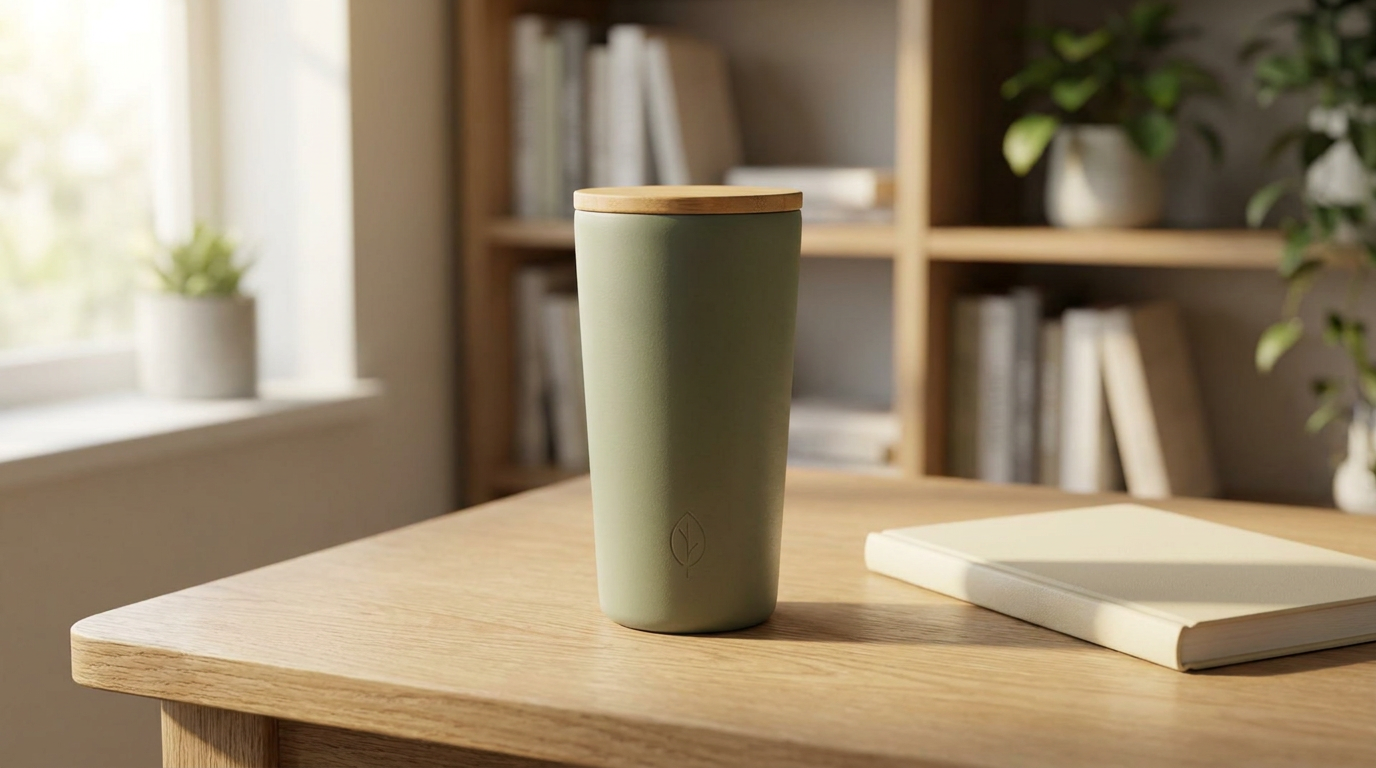
Recorded charge: 100 credits (approximately US$0.10). Server task time: 27 seconds.
1K · 16:9 · one image · special-offer channel. Downloaded output: 1376×768. Select the image to view the untouched original PNG.
Task record
a2a8ab22-74a0-4c22-8928-375a8e28d31c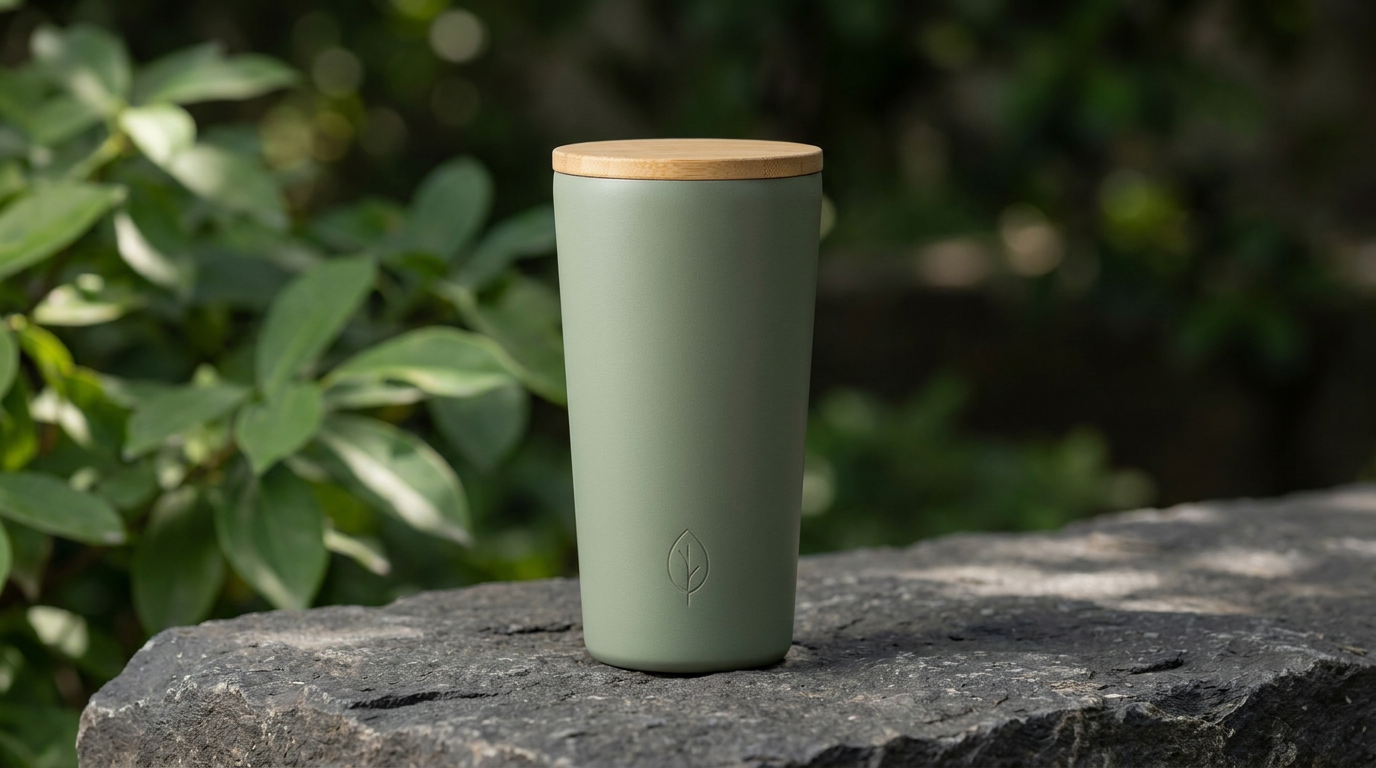
Recorded charge: 100 credits (approximately US$0.10). Server task time: 27 seconds.
1K · 16:9 · one image · special-offer channel. Downloaded output: 1376×768. Select the image to view the untouched original PNG.
Task record
544d3640-664e-4834-a782-689aafa12ee8The actual bill: what the 300 credits include
The studio, desk and outdoor tasks each recorded a charge of US$0.1000, equivalent to 100 credits at approximately 1,000 credits per US dollar. The new test therefore used 300 credits, approximately US$0.30. The account’s before-and-after available-credit difference was also 300. The server displayed task durations of 28, 27 and 27 seconds. These are individual task-processing times, not the elapsed time for writing prompts, reviewing images and downloading files.
The 300 credits cover these three background images. They exclude reference-image creation, LLM generation, upscaling, outpainting and video steps that we did not run in this test. Human review and editing time are also separate. Every output from this three-task test appears here; these are not three selected successes from a larger batch. Three completed tasks cannot establish a general success rate.
For complete accounting, the reference originally came from a historical 200-credit task that returned two candidates; we used its second candidate. Including that earlier reference-production task makes this particular path 200 + 300 = 500 credits, approximately US$0.50. The new spend in this test remains 300. Someone with a suitable existing reference should not add that historical production charge again.
Check current model prices and credit rules before selecting a channel.
| Scene | Charged credits | Approx. USD | Server task time |
|---|---|---|---|
| Warm-gray studio | 100 | US$0.10 | 28s |
| Naturally lit desk | 100 | US$0.10 | 27s |
| Outdoor stone | 100 | US$0.10 | 27s |
| New test total | 300 | US$0.30 | Timed separately |
Reproduce the method: fix the product instructions, then change the scene
Upload the same reference file that you have permission to use. Set the model, channel, resolution, aspect ratio and output count before pasting the English prompt below. Its common instructions describe the cup shape, green finish, bamboo lid and leaf mark to preserve. They also exclude handles, straws, additional products and new text. Append only one scene instruction to each task. These instructions state the intended result; they do not guarantee preservation.
For your own product, replace the tumbler description with its actual visible features. Record selected settings, output dimensions and charges for every task, then compare each output with the input. If you retry, record the extra charge and the changed variable separately. We did not retry any of these three tasks, so the reserved fourth generation is not included in this bill. Check the current quote before submitting: the recorded test charge is not a promise of future pricing.
For the broader process, see the reusable image workflow guide.
The complete prompts used
Warm-gray studio
Use the supplied reference image as the product reference. Create one realistic product advertising photograph. Preserve the same matte sage-green tapered tumbler, its proportions, flat bamboo lid, and the single engraved leaf mark on the lower front. Keep the complete product visible, centered at approximately the same size as the reference. No handle, straw, spout, extra lid, extra product, added text, or new logo. Keep a front three-quarter view, realistic surface texture and soft directional light. Change the background and supporting surface only. Place the tumbler on a pale warm-gray matte studio surface against a seamless warm-gray background. Use a soft key light from the upper left, a gentle contact shadow, and generous empty space. No props.Naturally lit desk
Use the supplied reference image as the product reference. Create one realistic product advertising photograph. Preserve the same matte sage-green tapered tumbler, its proportions, flat bamboo lid, and the single engraved leaf mark on the lower front. Keep the complete product visible, centered at approximately the same size as the reference. No handle, straw, spout, extra lid, extra product, added text, or new logo. Keep a front three-quarter view, realistic surface texture and soft directional light. Change the background and supporting surface only. Place the tumbler on a light oak desk beside a closed cream notebook, with a softly blurred home-office bookshelf and window behind it. Use warm natural daylight from the upper left. Keep the props away from the product silhouette.Outdoor stone
Use the supplied reference image as the product reference. Create one realistic product advertising photograph. Preserve the same matte sage-green tapered tumbler, its proportions, flat bamboo lid, and the single engraved leaf mark on the lower front. Keep the complete product visible, centered at approximately the same size as the reference. No handle, straw, spout, extra lid, extra product, added text, or new logo. Keep a front three-quarter view, realistic surface texture and soft directional light. Change the background and supporting surface only. Place the tumbler on a dry dark-gray basalt stone surface, with softly blurred green leaves and a shaded garden behind it. Use diffused daylight from the upper left. Keep leaves behind the product, with no water droplets and no objects covering it.Our review criteria and the limits of this test
We checked whether the full cup remained visible, whether a handle or straw appeared, whether the lid and leaf mark remained recognisable, whether the setting followed the prompt, and whether color or silhouette visibly changed. All three can be considered scene-composition candidates. The warm color shift in the desk image and the changed silhouette in the outdoor image need further review. Publication suitability depends on the intended asset and the actual product requirements.
This is not a physical-product fidelity test or a model-quality ranking. We did not measure color using a color chart, test small brand-label text, or run these images as advertisements to measure clicks or sales. Because the reference itself was generated, this is a record of reference-to-scene production rather than verification against a real SKU.
Before making more assets, review a single output first. Saving prompts and settings makes reuse easier, but a new product still requires a new review. This cup, lighting and background sample cannot establish performance across all packaging, transparent materials or detailed labels.
With 200 credits, start with one image before expanding
This test’s three images used 300 credits, so a 200-credit available balance would not cover the whole three-background set at these recorded rates. For a first attempt, select one background and one output, inspect it, then decide whether to continue. Check whether introductory credits remain valid and whether the selected model and size fit your available balance. The account balance and quote at submission are the relevant checks.
If you are learning the interface, the link below opens the platform’s first-image exercise. It uses platform presets rather than this test’s uploaded tumbler reference and Nano Banana Pro settings. To reproduce this case, upload the same reference in the creative studio and select the parameters recorded here. After generation, inspect task history and the actual charge before choosing your next step.